Modern supply chains move faster than ever before. Customers expect rapid deliveries, businesses demand efficiency, and competition leaves little room for delays or waste. In this high-pressure environment, logistics strategies must evolve. One approach that has steadily gained traction is Cross Docking Warehousing.
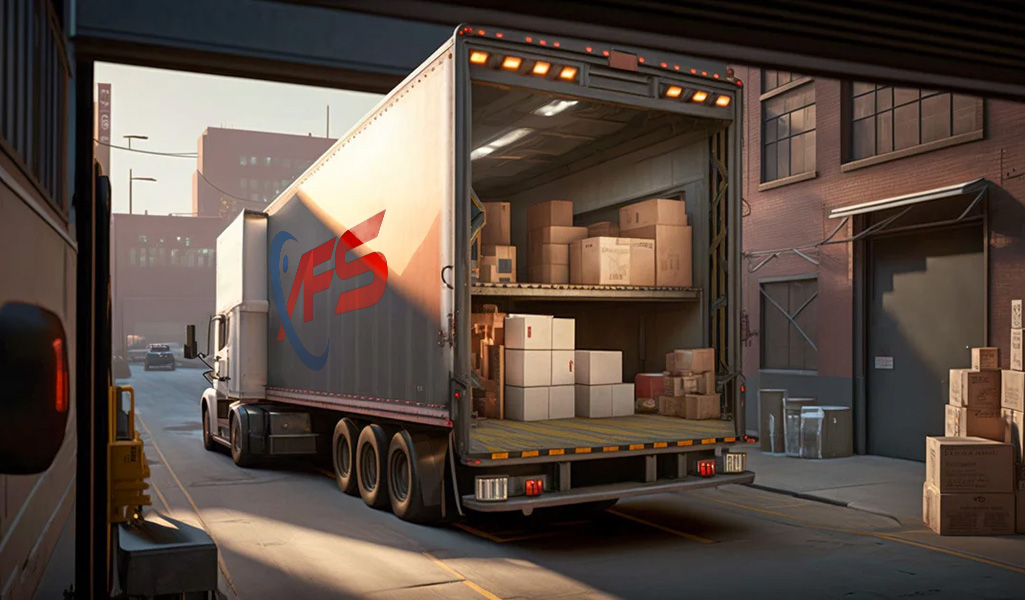
At its core, cross-docking eliminates unnecessary storage by transferring goods directly from inbound to outbound transportation. It sounds simple, but the impact is powerful. Businesses that adopt this method often discover improved efficiency, lower costs, and a more responsive supply chain.
If you’ve ever felt the frustration of slow inventory turnover, high storage expenses, or delayed shipments, you’re not alone. These are common pain points in logistics-and cross docking addresses them head-on. In this guide, we’ll explore ten proven benefits of Cross Docking Warehousing and why it’s becoming a cornerstone of modern logistics operations.
Why Cross Docking Warehousing Is Transforming Logistics Operations
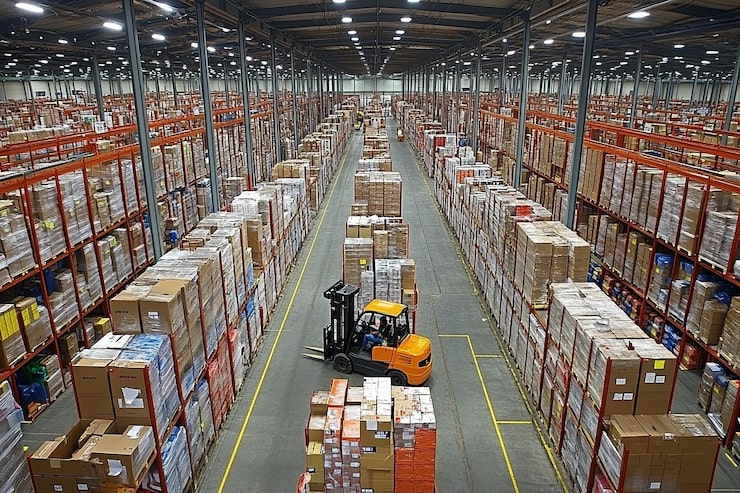
Cross Docking Warehousing isn’t just another industry trend-it represents a shift in how goods move through the supply chain. Traditionally, warehouses were designed to store products for extended periods. Inventory would sit on shelves, waiting to be picked, packed, and shipped. While this model worked in slower markets, today’s fast-paced environment demands agility.
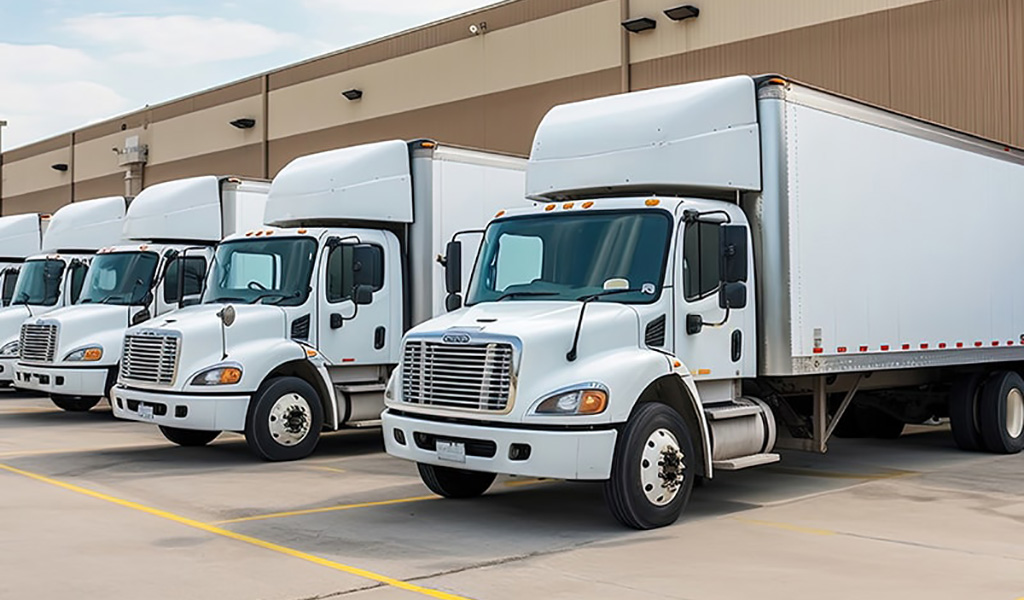
Cross docking changes that mindset. Instead of storage, the focus is on flow. Goods arrive, get sorted, and are immediately redirected to outbound trucks. This reduces dwell time and keeps products moving efficiently. It’s particularly valuable for industries dealing with perishable goods, high-demand items, or time-sensitive deliveries.
From a strategic perspective, Cross Docking Warehousing aligns perfectly with lean logistics principles. It minimizes waste, reduces handling, and improves overall productivity. But beyond the technical advantages, it also brings a sense of control and predictability-something every logistics manager values deeply.
Let’s explore the real-world benefits that make this approach so effective.
1. Reduced Storage Costs
One of the most immediate benefits of Cross Docking Warehousing is the significant reduction in storage expenses. Traditional warehousing requires space, labor, and resources to manage inventory over time. With cross docking, products spend little to no time in storage.
This means businesses can operate with smaller warehouse footprints, lower utility costs, and fewer labor requirements. Over time, these savings add up, making a noticeable difference in overall operational budgets.
2. Faster Delivery Times
Speed is everything in modern logistics. Customers expect quick deliveries, and delays can lead to dissatisfaction or lost business. Cross Docking Warehousing accelerates the entire process by eliminating unnecessary storage steps.
Goods move directly from inbound shipments to outbound transportation, reducing transit time. This streamlined approach ensures faster order fulfillment and helps businesses meet tight delivery deadlines with confidence.
3. Improved Inventory Management
Managing inventory can be complex and stressful. Overstocking ties up capital, while understocking leads to missed opportunities. Cross docking simplifies this challenge by reducing the need for long-term inventory storage.
Because products are continuously moving, businesses can maintain lean inventory levels. This not only improves visibility but also allows for better forecasting and demand planning.
4. Lower Handling Costs
Every time a product is handled, there’s a cost involved-both in terms of labor and potential damage. Traditional warehousing often requires multiple touchpoints, from storage to picking and packing.
Cross Docking Warehousing minimizes these touchpoints. Products are handled fewer times, which reduces labor costs and improves efficiency. It also lowers the risk of errors and damages, leading to smoother operations overall.
5. Reduced Risk of Damage and Loss
When goods sit in a warehouse for extended periods, they are more susceptible to damage, theft, or misplacement. Cross docking significantly reduces this risk by keeping products in motion.
With fewer storage steps and shorter handling times, the chances of damage or loss decrease. This is especially important for fragile or high-value items, where even minor issues can lead to significant losses.
6. Enhanced Supply Chain Efficiency
Efficiency is the backbone of any successful logistics operation. Cross Docking Warehousing improves efficiency by streamlining the flow of goods.
By eliminating unnecessary steps, businesses can optimize their supply chain processes. This leads to faster turnaround times, better resource utilization, and improved overall performance.
7. Better Customer Satisfaction
At the end of the day, logistics is about delivering value to customers. Faster deliveries, accurate orders, and reliable service all contribute to customer satisfaction.
Cross docking helps businesses meet these expectations consistently. When customers receive their orders quickly and in perfect condition, it builds trust and loyalty-two critical factors for long-term success.
8. Ideal for Perishable Goods
For industries dealing with perishable items, time is a critical factor. Products like food, pharmaceuticals, and flowers have limited shelf lives and require quick handling.
Cross Docking Warehousing is perfectly suited for these scenarios. By reducing storage time, it ensures that goods reach their destination while still fresh and usable. This not only improves quality but also reduces waste.
9. Scalability and Flexibility
Business needs can change rapidly. Seasonal demand, market trends, and unexpected events all impact logistics operations. Cross docking offers the flexibility needed to adapt to these changes.
Because it focuses on flow rather than storage, it can easily scale up or down based on demand. This makes it an ideal solution for businesses looking to remain agile in a dynamic market.
10. Environmental Benefits
Sustainability is becoming increasingly important in logistics. Cross Docking Warehousing contributes to greener operations by reducing energy consumption and waste.
Smaller storage requirements mean lower energy usage for lighting, heating, and cooling. Additionally, faster movement of goods reduces the need for excess packaging and minimizes waste. It’s a win-win for businesses and the environment.
Conclusion
Cross Docking Warehousing is more than just a logistics technique-it’s a smarter way to move goods in a fast-paced world. By focusing on efficiency, speed, and simplicity, it addresses many of the challenges that modern supply chains face.
From reducing costs and improving delivery times to enhancing customer satisfaction and supporting sustainability, the benefits are clear and compelling. Businesses that embrace this approach often find themselves better equipped to compete, adapt, and grow.
If you’re looking to streamline your logistics operations and stay ahead in a competitive market, Cross Docking Warehousing offers a proven path forward. It’s not just about moving products-it’s about moving your business in the right direction.