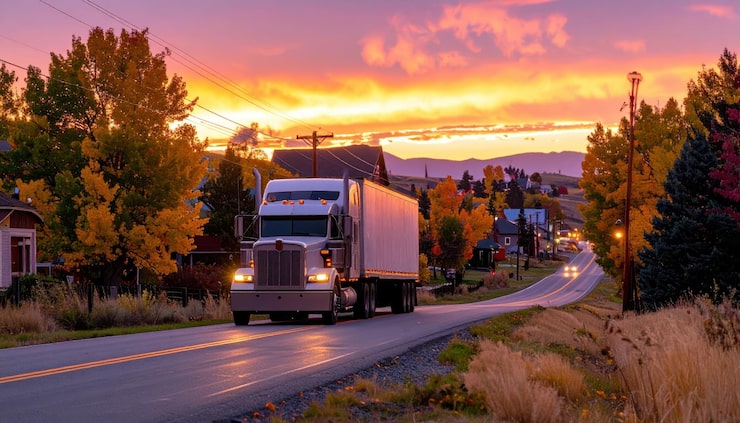
Vancouver's supply chain never sleeps — and the pressure on businesses to move goods reliably, quickly, and without drama has never been higher. Choosing the right trucking and logistics partner isn't just a procurement decision. It's a strategic one.
There's a particular kind of anxiety that comes with waiting on a shipment you can't track. The phone calls, the vague updates, the "it should be there by end of day" — anyone who has run a business in Metro Vancouver has probably felt it. And yet, year after year, companies sign with carriers based on price alone, only to find out too late that the cheapest quote rarely comes with the best service.
Vancouver is one of Canada's most active trade corridors. With the Port of Vancouver handling tens of millions of tonnes of cargo annually and the city sitting at the crossroads of trans-Pacific and North American supply lines, the demand for dependable freight transport is enormous. Whether you're moving building materials out to the Fraser Valley, distributing food products across the Lower Mainland, or coordinating time-sensitive medical or retail deliveries, the company you hire to haul your freight is quietly running a core part of your operations. That's not a small thing.
What Separates Professional Carriers from the Rest
The trucking industry in British Columbia is competitive, but not all carriers are built the same. The difference between a professional logistics operation and an average one often comes down to three things: fleet condition, driver quality, and communication infrastructure. And frankly, you don't always see those gaps until something goes wrong.
A well-maintained fleet isn't just about reliability — it's about safety and compliance. BC's commercial vehicle regulations are strict, and carriers operating on the Trans-Canada corridor or navigating metro roads are subject to regular inspections. Trucks that aren't maintained properly get pulled off the road. When that happens mid-haul, you're the one explaining to your customer why their order didn't arrive. Professional operations invest heavily in preventive maintenance precisely because they understand that vehicle downtime is business downtime for the clients they serve.
And then there's communication. This one is underrated. A trucking company that gives you live GPS tracking, proactive delay notifications, and a real human being to call when something shifts — that's not a luxury. In a business environment where your customers are watching their own delivery windows and holding you accountable, real-time visibility into your freight movement is essential. The best carriers in Vancouver have invested in dispatch technology and customer portal systems that keep shippers informed without the need to chase anyone down.
Understanding the Vancouver Logistics Landscape
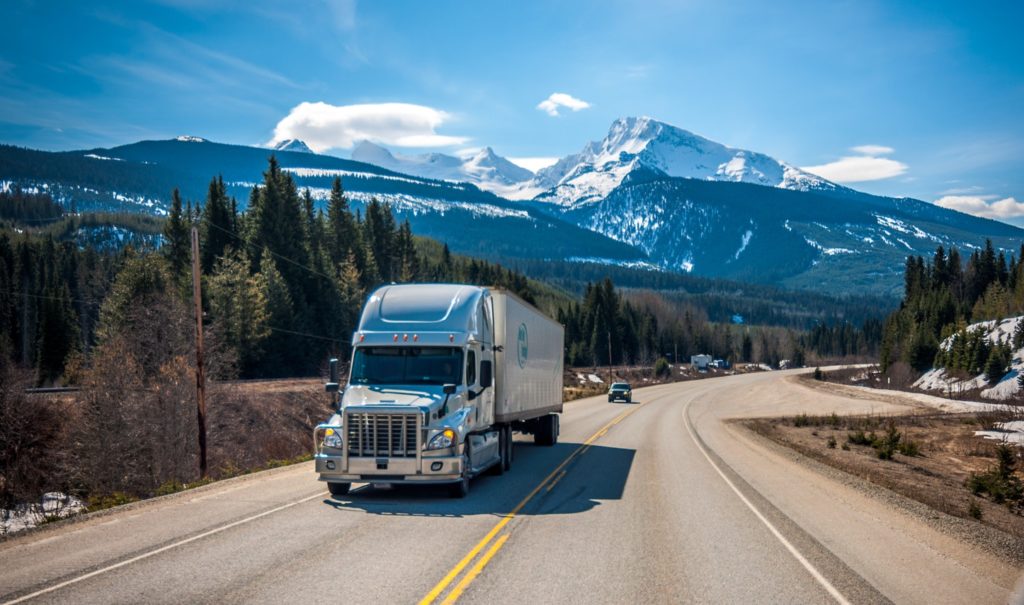
Vancouver's geography is genuinely unusual for a major commercial hub. You've got mountains to the north, water to the west, the US border to the south, and a network of bridges and tunnels that become chokepoints during peak hours. The Alex Fraser Bridge. The Massey Tunnel. Highway 1 through Burnaby during the afternoon rush. Carriers who operate in this region without detailed route knowledge and real contingency planning lose time — and time in logistics translates directly to money. Experienced local carriers know when to leave, which routes to avoid, and how to communicate delays before they cascade into bigger problems.
Carriers with dedicated Metro Vancouver route knowledge can reduce average transit times by 15–25% compared to out-of-region operators unfamiliar with local corridor behaviour, seasonal closures, and port gate schedules.
Not all freight is created equal, and neither are the rules that govern its transport. Food-grade shipments require refrigerated units that meet CFIA standards. Hazardous materials — even something as common as cleaning chemicals or certain construction supplies — come with strict TDG (Transportation of Dangerous Goods) documentation requirements. Oversized loads need permits, pilot cars, and careful planning around peak traffic windows. A carrier that's genuinely equipped to handle specialized cargo will have the certifications, the equipment, and the institutional knowledge to manage these requirements without turning them into your problem.
Companies in the construction, retail, healthcare, and food and beverage sectors especially need carriers who understand these nuances. Asking a potential carrier about their experience in your specific industry isn't being overly cautious — it's due diligence that saves you from expensive surprises down the line.
What to Actually Look for When Vetting a Carrier
When you're evaluating trucking companies in the Vancouver area, there are a handful of markers that signal genuine professionalism. Look for carriers with a clean safety rating from the CVSE (Commercial Vehicle Safety and Enforcement). Ask about their claims history and how they handle cargo damage — not whether it happens, but what their process is when it does. A company that's been operating in the Lower Mainland for a decade or more has navigated the port slowdowns, the flooding disruptions, and the sharp demand swings that come with this market. That history matters.
References from businesses in your sector are worth more than any brochure. Talking to a logistics manager at a company similar to yours — and asking them directly whether their carrier picks up on time, communicates well, and handles exceptions professionally — will tell you more than any sales pitch. Pricing still matters, of course. But it should be evaluated against service level, not in isolation. A carrier that quotes 10% lower and delivers 30% of loads late is not a good deal by any reasonable measure.
Conclusion
The right freight partner is a competitive advantage
Vancouver's logistics environment rewards businesses that are strategic about who moves their freight. The combination of port access, cross-border trade, and the sheer density of commercial activity in the Lower Mainland means your carrier choice will be tested regularly. When you partner with a trucking company that has deep regional roots, modern fleet management, proper compliance credentials, and a genuine service culture — you're not just moving goods more reliably. You're protecting your reputation, your customer relationships, and your margins all at once. In a market this competitive, that's not a small edge. It's the whole game.